Chef Knife vs. Santoku Knife: Which is Better for Everyday Cooking?
Posted by The BYC Team on Aug 31st 2026
When it comes to setting up your kitchen for tasty cooking adventures, the right knife can make a world of difference! Let’s jump into a fun debate: Chef Knife versus Santoku Knife. Each of these blades has its own special features and story, perfect for different cooking styles and personal preferences.
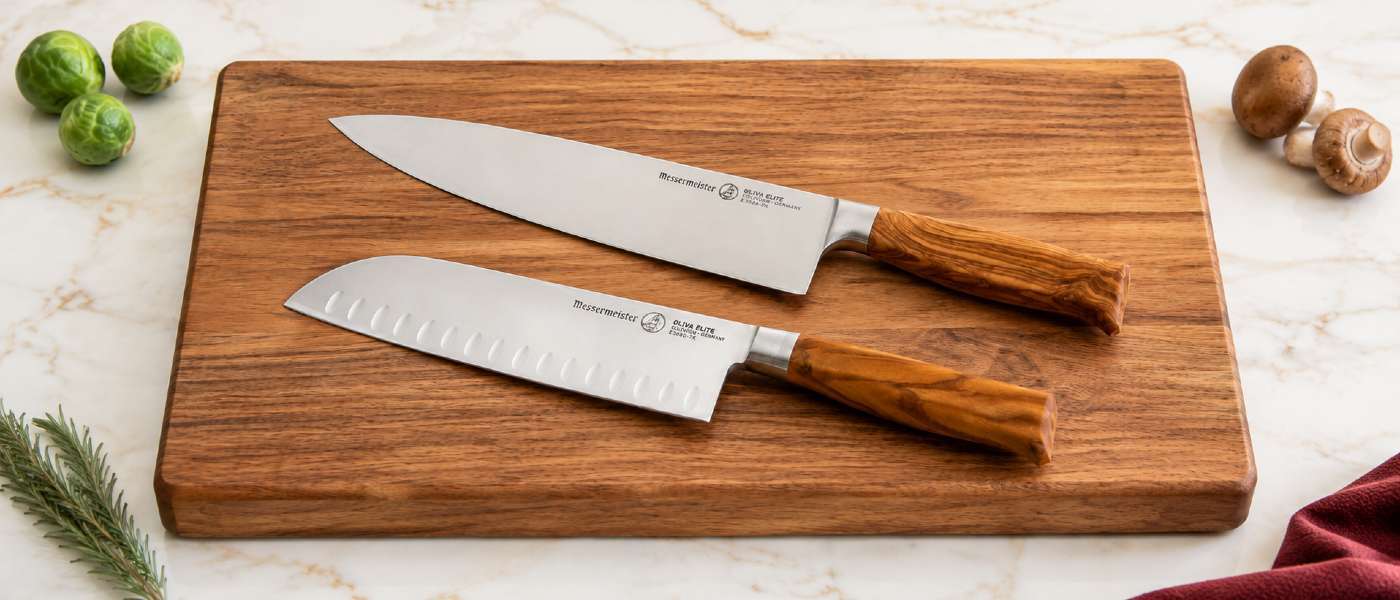
The classic Chef knife is a beloved choice for good reason! It's incredibly versatile, making slicing, dicing, and mincing feel like second nature—almost like an extension of your hand as you whip up your favorite dishes. On the other hand, the Santoku knife comes from Japan and offers a wonderful mix of precision and efficiency. It’s perfect for those who love both the beauty and practicality of their kitchen tools.
So, which knife is best for your everyday cooking? Let’s take a closer look at the characteristics, perks, and a few downsides of each one, and help you find the perfect match for your cooking needs.
Overview of Chef Knives
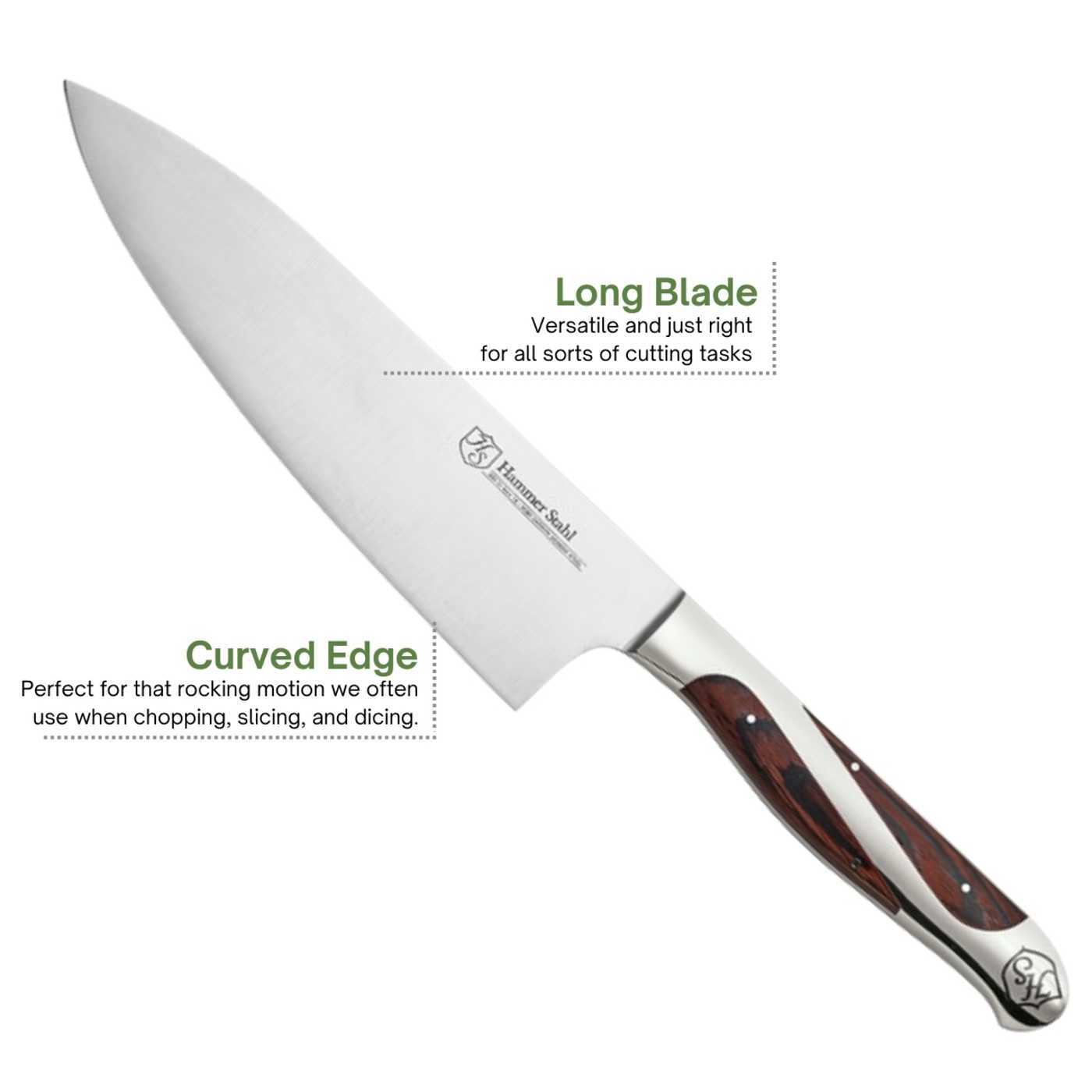
The Chef knife is truly a star in the kitchen. It's often considered the go-to tool for any chef, amateur or pro. With a blade that typically ranges from 6 to 12 inches, this versatile knife has a broad, curved shape perfect for a rocking motion, making it just right for all sorts of cutting tasks. Whether you’re slicing fresh veggies, dicing up onions, or mincing your favorite herbs, a Chef knife really shines!
Most of these knives are made from high-carbon stainless steel, which means they're tough and can stay sharp for a long time. Plus, let’s not forget about the ergonomic handle! It's designed for comfort, helping to minimize hand fatigue when you're chopping up ingredients for a feast. The way it balances with the blade makes it feel like an extension of your hand, allowing you to cut with precision and ease.
With some love and care, a good Chef knife can last a lifetime. Investing in one is definitely worthwhile, and it will make your time in the kitchen more enjoyable.
Overview of Santoku Knives
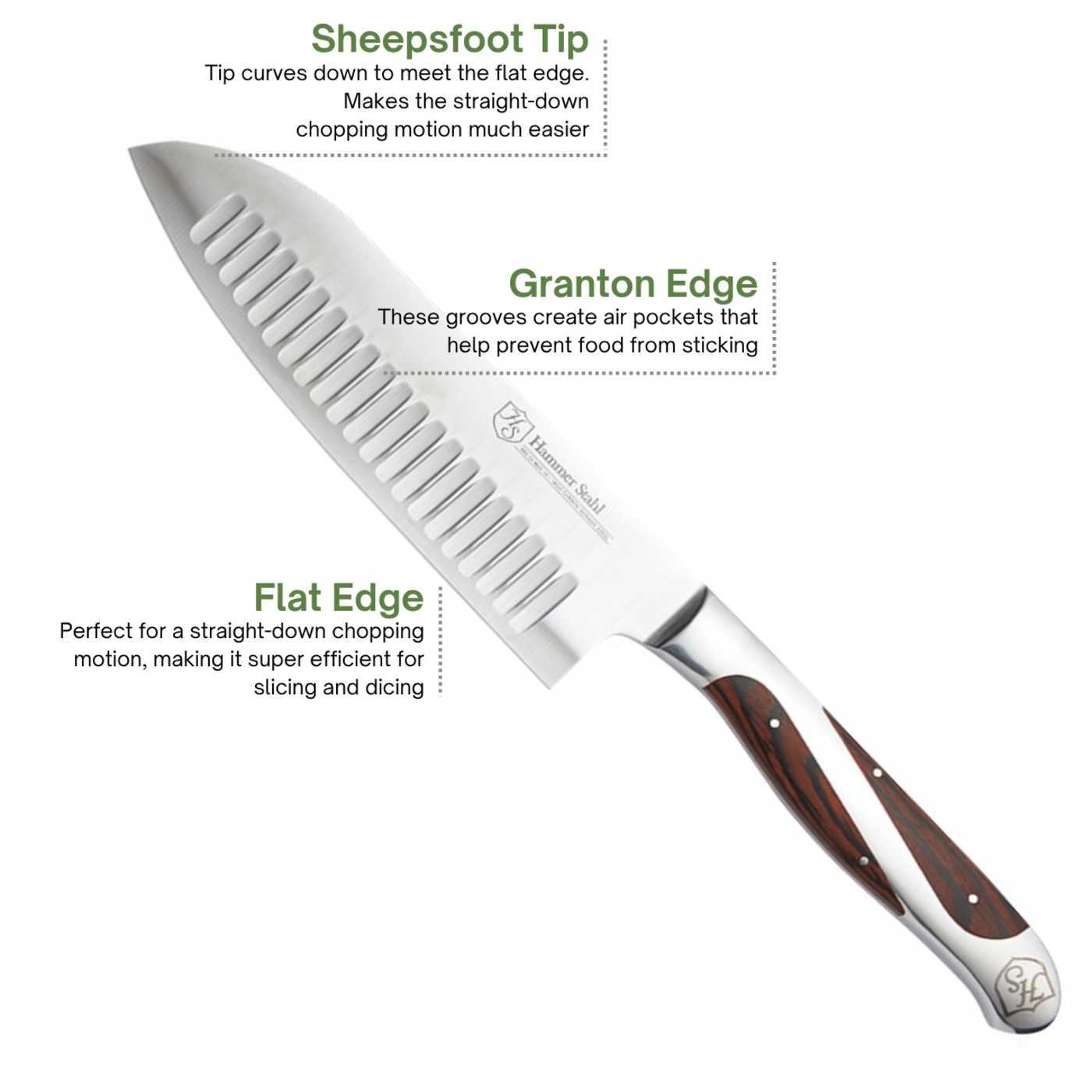
The Santoku knife is a wonderful addition to any kitchen, originating from Japan, and it's cherished by both chefs and home cooks for its impressive precision and versatility. The name "Santoku" translates to "three virtues" or "three uses," perfectly highlighting its ability to slice, dice, and mince with ease. Typically, you'll find Santoku knives with blades 5 to 7 inches long, making them shorter than traditional Chef knives. With its flat edge and unique sheepsfoot tip that curves downward, this knife is both nimble and easy to handle.
A standout feature of the Santoku knife is its granton edge, which has small indentations along the blade. These grooves create air pockets that help prevent food from sticking, making cutting a breeze—especially when you're working with thin slices of meat, veggies, or fish! It's clear why chefs who value speed and accuracy love this knife.
Crafted from high-quality stainless steel or carbon steel, the Santoku knife is built for durability while staying sharp. Its lightweight design and well-balanced handle ensure that you can use it comfortably for longer periods, so you don't have to worry about hand fatigue. Plus, its sleek, minimalist style adds a touch of elegance to your kitchen. Like the Chef knife, the Santoku knife is incredibly versatile and perfect for a wide range of culinary tasks. Whether you’re an expert chef or just starting out, this knife is sure to become one of your favorites, making your time in the kitchen more enjoyable.
Key Differences Between Chef and Santoku Knives
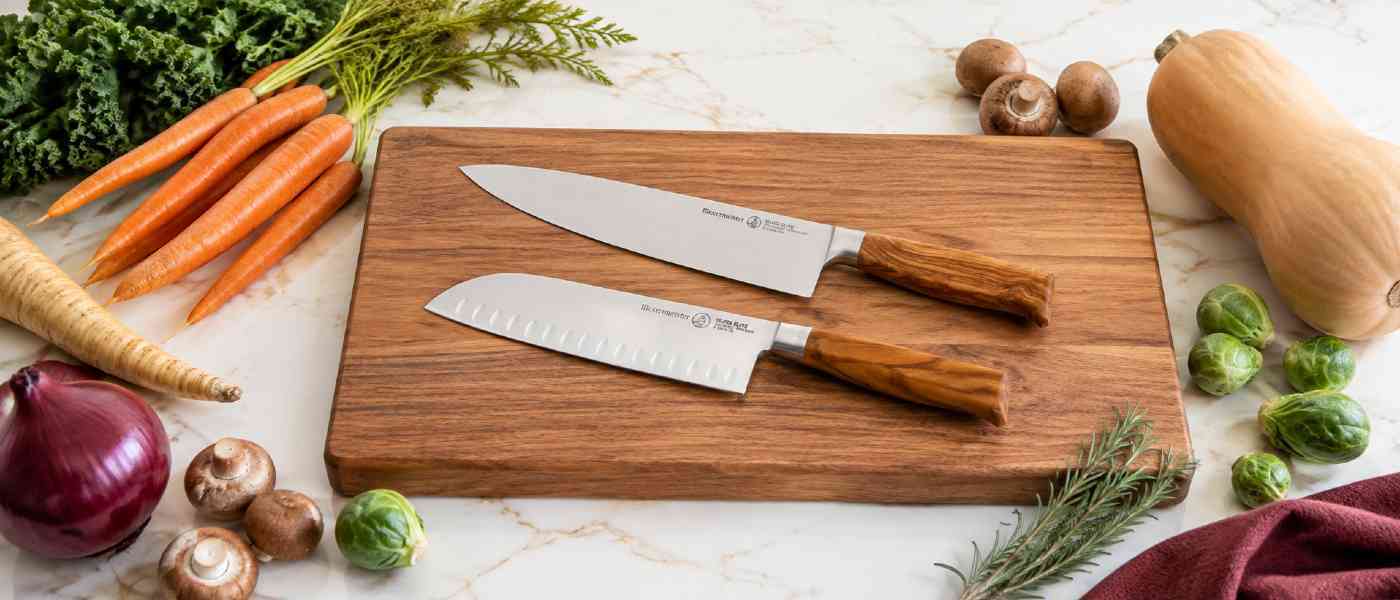
Both the Chef knife and the Santoku knife are fantastic tools to have in your kitchen, but each has unique characteristics that suit different cooking styles and preferences. One of the most noticeable differences is the shape and length of the blades. Chef knives generally have a longer blade—ranging from 6 to 12 inches—with a nice curve that lets you rock the knife while cutting. In contrast, you’ll find Santoku knives have a shorter blade, typically between 5 and 7 inches, with a flat edge and a sheepsfoot tip. This makes them compact and super easy to maneuver.
When it comes to cutting techniques, each knife shines in its own way. The Chef knife's curved blade is perfect for that rocking motion, which is especially handy for chopping herbs or dicing veggies. It allows you to keep the tip on the cutting board while moving the blade up and down, giving you great precision and control. On the flip side, the flat edge of the Santoku knife is perfect for a straight-down chopping motion, making it super efficient for slicing and dicing. Plus, the Santoku has a granton edge, which helps prevent food from sticking to the blade—ideal for those thin, precise cuts!
There’s also a difference in how these knives are made. Chef knives are usually forged from high-carbon stainless steel, which gives them a sturdy and sharp edge that holds up to heavy use. Santoku knives, while also made from high-quality materials, tend to be lighter and thinner, offering a delicate and precise cutting experience. You’ll notice that the handles reflect their intended uses too; Chef knives typically have a robust, ergonomic handle for a secure grip during longer sessions of chopping, while Santoku knives boast a more streamlined handle that pairs nicely with their lightweight design.
Pros and Cons of Chef Knives
Chef knives are a kitchen favorite, loved for their versatility and ability to tackle a wide variety of tasks. One of the best things about a Chef knife is its long, curved blade, which is perfect for that rocking motion we often use when chopping, slicing, and dicing. This versatility means that you can often skip having multiple specialized knives, which helps save space and simplify your cooking gear. Plus, most Chef knives are made from high-carbon stainless steel, making them durable and able to maintain a sharp edge even with heavy use.
That said, Chef knives do have a few things to keep in mind. The longer blades can feel a bit unwieldy for some people, especially if you have smaller hands or are working in a tight kitchen space. And let's be honest, using a heavier knife for a long time can lead to some hand fatigue. Also, while the curved blade is excellent for chopping, it may not be as effective for straight-down cuts. This can affect its usefulness when cutting firm vegetables like potatoes and sticky items like cheese.
When it comes to maintenance, there’s a little commitment involved. While a high-quality Chef knife keeps its sharp edge for quite a while, it still needs some occasional honing or sharpening to stay in top shape, which can take a bit of time. The durable high-carbon stainless steel is great, but it can stain or rust if not cared for properly. Despite these minor drawbacks, Chef knives are a must-have in kitchens because they are versatile, durable, and can make cooking a breeze.
Pros and Cons of Santoku Knives
Santoku knives are a fantastic choice for both professional chefs and home cooks alike, and it's easy to see why! One of the coolest features of a Santoku knife is its granton edge, which keeps food from sticking to the blade. This means you can enjoy smooth, effortless cutting—especially handy when you're slicing thin pieces of meat, veggies, or fish. The shorter, flat blade offers amazing control and precision, making it perfect for those finer, detailed cuts.
Another great thing about Santoku knives is their lightweight design. Their balanced construction and comfortable handle allow you to use them for long periods without feeling fatigued, which is great for anyone spending lots of time in the kitchen or those with smaller hands. Plus, let’s not forget about how sleek and stylish they look! If you appreciate both form and function in your kitchen tools, a Santoku knife is sure to catch your eye.
However, there are a few things to keep in mind. While the shorter blade is excellent for precision, it might not be as versatile as the longer blade of a Chef knife, especially when it comes to tackling larger items like butternut squash. The flat edge works wonderfully for straight chopping but isn’t as effective for a rocking motion, which can be a bit of a limitation for tasks like chopping herbs. And just like Chef knives, Santoku knives need a little love and care to keep them sharp and effective—occasional honing and sharpening are key. If you’re someone who prefers low-maintenance kitchen tools, this is something to consider. All in all, Santoku knives are a solid choice that many cooks enjoy.
Which Knife is Best?
Choosing between a Chef knife and a Santoku knife is really all about your cooking style and what you enjoy doing in the kitchen. If you love having one versatile knife that can tackle a wide range of tasks, the Chef knife is your must-have. Its long, curved blade is perfect for everything from chopping and slicing to dicing and mincing. This knife shines in cooking, especially when you’re getting that rocking motion down for chopping herbs, veggies, and more.
On the flip side, if you’re someone who values precision and efficiency, the Santoku knife might be just what you need. With its flat edge and granton blade, it’s fantastic for clean, straight cuts when chopping, slicing, or dicing. That’s why many chefs reach for it, especially when working with delicate ingredients like fish and veggies. Plus, it’s a lighter, more compact option that feels great in your hand, making it super fun to use!
In the end, the best knife for your kitchen is the one that fits your cooking style and the tasks you do most often. If you want a reliable all-purpose knife, go for the Chef knife. But if precision is what you’re after, especially with those delicate ingredients, the Santoku knife is a great choice. Lots of chefs and home cooks like to keep both knives on hand, so they can enjoy all the unique benefits each one brings to the table!
Maintenance and Care for Your Knives
Taking care of your Chef and Santoku knives is a key part of keeping them sharp and ready to tackle any recipe! Regular honing is super important to maintain that sharp edge. Think of honing as giving your knife a little tune-up; it realigns the blade so it stays effective. You can easily do this with a honing rod. Just remember to do it every now and then to keep your knives in tip-top shape.
Every so often, you'll want to sharpen your knives to restore that edge. Whether you prefer a whetstone, a pull-through sharpener, or even a professional service, it all depends on what you're comfortable with!
Cleaning your knives is just as important! Always hand-wash them in warm, soapy water and dry them right away to prevent staining, rusting, or corrosion. Avoid the dishwasher; the high heat and strong detergents can be tough on both the blade and handle.
And let’s not forget about storage! Keeping your knives safe and sound is essential. Knife blocks, knife rolls, magnetic strips, and blade guards are excellent ways to store your knives while keeping them protected and easily accessible.
Recommendations for Purchasing Chef and Santoku Knives
When you're searching for the perfect Chef or Santoku knife, there are a few things to keep in mind to help you make the best choice for your cooking needs. First off, think about the materials that go into the knife. High-carbon stainless steel is a fantastic option for both types of knives because it’s durable, sharp, and helps resist staining and rust.
Pay close attention to the construction of the knife. Forged knives are generally stronger and offer better balance than stamped knives, making them a worthwhile investment. It's important to check the knife's balance, as a well-balanced knife feels comfortable to use and provides better control while chopping.
Don’t forget about the handle. It should feel comfortable and secure in your hand, especially if you’ll be using it for a long time. Look for ergonomic designs that help minimize hand fatigue. You’ll find handles made from wood, metal, plastic, and composite materials, each with its own perks for comfort and style.
Ultimately, finding the right knife for your kitchen comes down to what works best for you! Your personal preferences, cooking style, and budget all play a big role in making the perfect choice. So take some time to explore and try out different options. At Because You Cook, we’ve got a fantastic selection of high-quality Chef and Santoku knives from Hammer Stahl and Messermeister, and we’d be happy to help you find just the right one!
Conclusion: Choosing the Right Knife for Your Kitchen
When it comes to choosing between a Chef knife and a Santoku knife, the best option depends on your cooking style and what you need in the kitchen. Both knives have their own special perks that can make your cooking experience even better, whether you love versatility or precision.
The Chef knife is like the trusty workhorse of your kitchen. With its long, curved blade and sturdy feel, it’s perfect for a whole variety of tasks. It’s great for both professional chefs and home cooks, and it can handle everything from chopping veggies to slicing meats. It’s definitely a must-have in the kitchen.
On the flip side, the Santoku knife is a superstar for precise, fine cuts. Its flat edge and granton blade help keep food from sticking, making slicing feel effortless and clean. Plus, it’s lightweight and balanced, so you can use it for a long time without feeling tired. Its sleek design makes it a fantastic choice if you appreciate both style and functionality.
Whether you choose a Chef knife or a Santoku knife boils down to what you like and the tasks you usually tackle in the kitchen. Many cooks find that having both is the perfect solution, as each knife brings something unique to the table and makes your culinary adventures even more enjoyable. By learning about the strengths and quirks of each knife, you can pick the ideal one for you. So whether you’re slicing, dicing, mincing, or chopping, your perfect kitchen knife is ready to help you create delicious meals!