How to Oil Your Cutting Board Like a Pro
Posted by The BYC Team on Oct 6th 2024
Are you tired of your cutting board looking worn and dry? Do you want to prolong its lifespan and keep it in excellent condition? Look no further! In this guide, we will provide step-by-step instructions on how to oil your cutting board like a pro. Let's dive in and become a pro at maintaining your cutting board!
Maintaining and caring for your cutting board is essential to ensuring food safety and longevity. Regularly oiling your cutting board keeps it moisturized, prevents cracking, and protects it from stains and odors. This guide covers everything you need to know about oiling your cutting board, including how to prepare it and the proper technique for oil application. It also addresses common concerns and provides handy tips and tricks. This step-by-step guide will help you treat your cutting board with the care it deserves and bring back its beautiful, glossy finish.
Importance of oiling your cutting board
Cutting boards are an essential tool in any kitchen, used for a wide range of food preparation tasks. Over time, however, these hardworking surfaces can become dry, cracked, and worn, compromising their functionality and appearance. Oiling your cutting board is essential to maintaining its longevity and ensuring optimal performance.
Regularly oiling your cutting board serves several purposes. First and foremost, it helps to keep the wood moisturized, preventing it from drying out and developing unsightly cracks or splits. This not only preserves your cutting board's aesthetic appeal but also maintains its structural integrity, ensuring it remains a stable, reliable surface for your culinary endeavors.
In addition to preventing cracking and drying, oiling your cutting board also plays a vital role in food safety. As the wood dries and becomes porous, it can harbor water, bacteria, odors, and stains that can transfer to the food you prepare. Applying a protective layer of oil creates a barrier that helps repel these unwanted elements, keeping your cutting board hygienic and ready for use.
What is the right oil for your cutting board?
Not all oils are created equal when it comes to oiling your cutting board. Choose the right type of oil to ensure optimal results and long-lasting protection for your cutting surface.
Mineral oil is the most commonly recommended oil for cutting boards. It absorbs easily into the wood and provides a durable, long-lasting finish. Mineral oil is clear, odorless, and tasteless, and it's safe for use on cutting boards and other wood kitchen essentials. It is a popular choice because it's affordable and effective at moisturizing and sealing wood.
It's important to avoid using cooking oils, such as olive oil or vegetable oil, as they can become rancid over time and may impart undesirable flavors or odors to your food. Also, steer clear of oils with added chemicals or preservatives, as they may not be safe for food-prep surfaces.

Step-by-step guide to oiling your cutting board
Oiling your cutting board is a straightforward process you can easily incorporate into your regular kitchen maintenance routine. Follow these step-by-step instructions to ensure a thorough and effective application:
- Clean the cutting board: Before applying any oil, thoroughly clean your cutting board. Use a mild soap and warm water to remove any food residue, stains, or odors. Rinse the board thoroughly and allow it to dry completely.
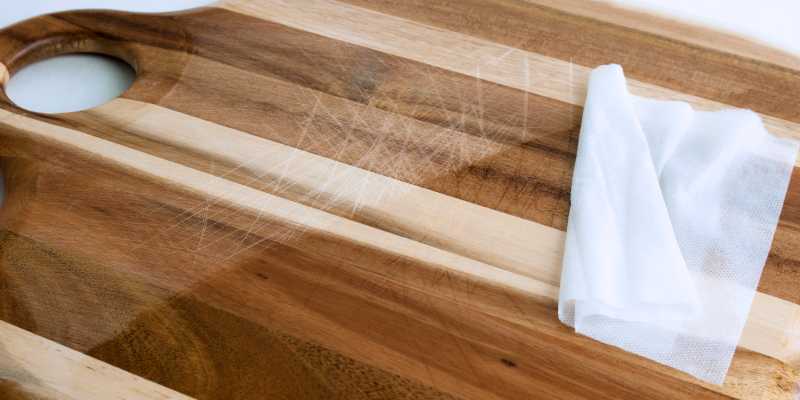
- Apply the oil: Using a clean, lint-free cloth or a paper towel, apply a thin, even layer of oil to the entire surface of the cutting board, including the edges and any grooves or crevices. Avoid applying too much oil, which can lead to an oily mess.
- Allow the oil to soak in: Once you've applied the oil, let the cutting board sit for 15-30 minutes to allow the wood to fully absorb the oil's nourishing properties.
- Wipe away excess oil: After the allotted time, use a clean, dry cloth or paper towel to gently wipe away any excess oil the wood has not absorbed. This will ensure a smooth, non-greasy finish.
- Repeat the process: Depending on the type of wood and the condition of your cutting board, you may need to repeat the oiling process multiple times to achieve the desired level of protection and moisture. Apply a second or third coat, allowing the appropriate drying time between each application.
- Buff the surface: Once you're satisfied with the oil application, use a clean, dry cloth to gently buff the cutting board's surface. This helps distribute the oil evenly and create a smooth, glossy finish. By following these steps, you can ensure that your cutting board is properly oiled and protected, keeping it in top condition for years to come.
How often should you oil your cutting board?
How often you should oil your cutting board can vary depending on several factors, including the type of wood, the level of use, and the environmental conditions in your kitchen. As a general guideline, oil your cutting board every 4-6 weeks, or whenever you notice the surface starting to look dry or worn.
Cutting boards made from softer woods, such as pine or maple, may need to be oiled more frequently, as these materials tend to absorb moisture and oils more quickly. Conversely, harder woods like oak or walnut may only require oiling every 2-3 months, as they are more naturally resistant to drying and cracking.
It's also important to consider how often you use your cutting board. If you use it daily for a wide range of food preparation tasks, it will likely need more frequent oiling to maintain its condition. Cutting boards that are used less often may only need to be oiled every few months.
By paying attention to the appearance and feel of your cutting board, you can develop a personalized oiling routine that keeps it in optimal condition. If you notice the surface becoming dry, cracked, or discolored, it's a clear sign that it's time to apply a fresh coat of oil.
Tips for maintaining a well-oiled cutting board
Maintaining a well-oiled cutting board is essential for ensuring its longevity and optimal performance. Here are some tips to help you keep your cutting board in top shape:
- Avoid submerging the cutting board in water: While regular cleaning is important, avoid submerging it in water for extended periods. This can cause the wood to swell and become waterlogged, potentially leading to cracking or warping over time. Instead, use a damp cloth or sponge to wipe the surface and rinse with clean water.
- Dry the cutting board thoroughly: After cleaning, make sure to thoroughly dry the cutting board before storing or using it again. Leaving residual moisture on the surface can lead to mold or bacterial growth.
- Store the cutting board properly: When not in use, store your cutting board in a cool, dry place, such as a cabinet or pantry. Avoid leaving it in direct sunlight or near heat sources, as these can dry out the wood over time.
- Rotate your cutting boards: If you have multiple cutting boards, rotate their use to ensure each one receives regular oiling and maintenance. This will help extend the lifespan of all your cutting surfaces.
- Use separate boards for raw and cooked foods: To prevent cross-contamination, designate one cutting board for raw meats, poultry, or fish, and another for fruits, vegetables, and cooked foods. This will help to maintain the hygiene and safety of your cutting surfaces.
- Refinish the cutting board as needed: Even the best-maintained cutting board may require more extensive refinishing over time. If you notice significant cracking, warping, or discoloration, consider sanding the surface and reapplying a fresh coat of oil to restore it to like-new condition.
By following these tips, you can keep your cutting board in excellent condition, providing a safe and reliable surface for all your food preparation needs.
Benefits of oiling your cutting board regularly
Regularly oiling your cutting board offers many benefits that can enhance its performance, longevity, and overall user experience. Here are some of the key advantages of maintaining a well-oiled cutting board:
- Moisture preservation: Oiling your cutting board helps to keep the wood moisturized, preventing it from becoming dry, cracked, or warped over time. This helps to maintain a stable, reliable surface for your culinary tasks.
- Improved hygiene: As wood dries and becomes porous, it can harbor water, bacteria, odors, and stains that can transfer to the food you prepare. Oiling creates a protective barrier that helps to repel these unwanted elements, keeping your cutting board hygienic and safe for use.
- Stain and odor resistance: The oil-infused surface of a well-maintained cutting board is less prone to staining and absorbing persistent odors from various foods. This helps to keep your cutting board looking and smelling fresh, even after extensive use.
- Enhanced appearance: A properly oiled cutting board has a beautiful, glossy finish that enhances the wood's natural beauty. This can make your cutting board a visually appealing addition to your kitchen, elevating the overall aesthetic of your workspace.
- Increased lifespan: Regular oiling can significantly extend the usable lifespan of your cutting board by protecting the wood from drying, cracking, and warping. This means you won't have to replace it as frequently, saving you money in the long run.
- Improved knife performance: A well-oiled cutting board provides a smoother, more consistent surface for your knives to glide across. This can help preserve the blades' sharpness and make your cutting tasks more efficient and enjoyable.
- Food safety: Maintaining a clean, well-oiled cutting board helps to prevent the buildup of harmful bacteria, ensuring that your food preparation surfaces are safe and sanitary. By oiling your cutting board regularly, you can enjoy these benefits and keep your essential kitchen tool in top condition for years to come.
Frequently asked questions about oiling cutting boards
- What type of oil is best for cutting boards?
The most commonly recommended oil for cutting boards is food-grade mineral oil. This natural oil is safe for food-prep surfaces and helps keep the wood moisturized and protected.
- How often should I oil my cutting board? As a general guideline, oil your cutting board every 4-6 weeks, or whenever you notice the surface starting to look dry or worn. The frequency may vary depending on the type of wood, how often you use it, and the environmental conditions in your kitchen.
- Can I use cooking oils, like olive or vegetable oil, to oil my cutting board?
No, it's best to avoid using cooking oils on your cutting board. These oils can become rancid over time and may impart undesirable flavors or odors to your food. Stick to food-grade mineral oil specifically designed for cutting board maintenance.
- How do I clean my cutting board before oiling?
Before oiling, thoroughly clean your cutting board using mild soap, a sponge or dishcloth, and warm water. Rinse the board thoroughly and let it dry completely before applying oil.
- Can I oil my cutting board while it's still wet?
No, it is important to apply the oil to a completely dry cutting board. Oiling a wet or damp surface can prevent the oil from being properly absorbed, leading to an ineffective finish.
- What if my cutting board is already cracked or damaged?
Suppose your cutting board has significant damage, such as deep cracks or gouges. In that case, you may need to sand down the surface and reapply a fresh coat of oil or another sealant to restore it. Regularly maintaining your cutting board with oil can help prevent this type of damage.
- Can I use the same cutting board for both raw and cooked foods?
It's generally recommended to use separate cutting boards for raw and cooked foods to prevent cross-contamination and ensure food safety. Designate one board for meats, poultry, and fish, and another for fruits and vegetables
Conclusion:
In conclusion, we have discussed the importance of regularly oiling your cutting board. We have highlighted the use of mineral oil for best results and provided instructions on how to properly oil your cutting board. By following the steps outlined in this guide, you can ensure your cutting board maintains its beautiful, glossy appearance for many years to come.