
Bake Like a Pro: Why a Kitchen Scale is Your Secret Ingredient
Posted by The BYC Team on Aug 30th 2025
In the world of baking, precision can be the difference between a masterpiece and a flop. While lots of home bakers stick to measuring cups, using a kitchen scale might just be your secret ingredient to consistently achieving bakery-quality results. Imagine whipping up a moist chocolate cake or a batch of airy macarons with flawless accuracy.
A kitchen scale makes it super simple to measure out your ingredients, helping to enhance the flavors and textures of your creations by keeping everything perfectly balanced. With this essential tool, you can replicate your favorite recipes without a hitch and feel encouraged to try out new ones too! As you embark on your baking journey, discover how mastering measurements can take your culinary skills to the next level. Let's explore why a kitchen scale is an indispensable tool in your quest for baking excellence.
The Importance of Accurate Measurements in Baking
When it comes to cooking, a little of this and a little of that can work wonders, but baking is a science! It's all about those precise measurements. Getting the amounts just right is key to creating those amazing chemical reactions that give your baked goods their perfect rise, texture, and flavor. Since the ingredients can interact in complex ways, even a small mismeasurement of an ingredient can make a big difference in how your treats turn out. By being accurate with your measurements, you maintain balance and can expect delicious results every time you bake.
When measuring ingredients by volume, such as with cups or tablespoons, it can be pretty tricky. The way you scoop flour—whether you pack it down or fill it loosely—can result in different amounts, which will affect your baked goods. You could end up with denser cakes, flatter cookies, or bread that won't rise the way you wanted. But don't worry! Using a kitchen scale can take all the guesswork out of baking. It gives you an accurate weight for each ingredient, making sure you use the exact same amount every time.
Benefits of Using a Kitchen Scale
Using a kitchen scale for baking offers so much more than just accuracy! One of the biggest perks is the consistency it brings to your baking adventures. By weighing your ingredients, you can count on getting the same delicious results every time. This reliability is key if you're trying to perfect a recipe or for anyone looking to bake professionally or improve their skills.
Plus, a kitchen scale makes the whole process so much easier! Instead of juggling a bunch of measuring cups and spoons, you can weigh everything in just one or two bowls. This not only saves you time but also cuts down on the cleanup, letting you enjoy your baking experience more. It's especially helpful when you're tackling those complex recipes that require a bit more attention to detail.
And let's not forget about portion control! Using a kitchen scale can help you manage serving sizes, which is great for anyone keeping an eye on their diet. By weighing your ingredients, you can make sure you're eating just the right amount, helping you to keep your nutritional goals in check.

How a Kitchen Scale Improves Recipe Consistency
Consistency is truly the secret ingredient in baking, and using a kitchen scale can make a significant difference. When you measure ingredients by weight, you eliminate the guesswork that comes with measuring by volume. This means that every batch of cookies, cake, or bread can turn out perfectly every time, just like a pro!
Baking is as much a science as it is an art, and even tiny changes in ingredient amounts can really affect the final treat. For instance, adding too much flour might result in dense, dry goodies, while not enough can lead to runny batters that just won't hold their shape. However, with a kitchen scale, you can measure everything precisely, ensuring you use exactly what the recipe calls for. That precision really makes a difference, giving you consistent textures, flavors, and appearances in all your baked creations.
Plus, having a kitchen scale on hand is great for troubleshooting and refining your favorite recipes. If something doesn't turn out quite right, you can rest easy knowing that the measurements were spot on! This gives you the freedom to adjust other factors, like baking time or temperature, without worrying about ingredient inconsistencies. As you get more comfortable with this level of control, you'll find yourself gaining a deeper understanding of baking and honing your skills in no time!

Common Baking Ingredients and Their Weights
When it comes to using a kitchen scale, having a good grasp of the weights of common baking ingredients helps out! Flour, sugar, butter, and eggs are essentials in many recipes, and knowing their weights means you can measure them just right. For instance, did you know that one cup of all-purpose flour weighs 120 grams or 4.25 ounces? And a cup of granulated sugar? That's 198 grams or 7 ounces.
Butter is also super handy, as it often comes in sticks, each weighing 113 grams or 4 ounces. Familiarizing yourself with these measurements can make following recipes a breeze and ensure you get those precise amounts.
It's also worth noting that different types of flour can weigh differently, which can really impact your baking! Taking a moment to check the weight for the specific type of flour you're using and reaching for that kitchen scale helps a lot.
Don't forget about liquids! A cup of water weighs 240 grams, but other liquids weigh slightly differently due to their densities. For example, one cup of milk weighs 227 grams, equivalent to 8 ounces, and a cup of vegetable oil weighs 198 grams, equivalent to 7 ounces. And when it comes to eggs, they can vary in size, so weighing them ensures you use just the right amount the recipe calls for. A large egg typically weighs around 50 grams or 1.75 ounces, but it's a good idea to weigh them to avoid any surprises.
Weighing your ingredients not only helps avoid those little variations but also leads to more consistent and delicious results.
Converting Measurements: From Cups to Grams
For those accustomed to measuring by volume, converting measurements to grams can seem daunting at first. However, once you get the hang of it, the process is straightforward and immensely beneficial. Start by familiarizing yourself with the weight of common ingredients. Many baking resources and cookbooks offer conversion charts that can help with this process. These charts list the weights of ingredients per cup, making it easy to convert recipes.
When converting measurements, it's important to remember that not all ingredients have the same weight. For example, a cup of flour weighs less than a cup of sugar. Using a kitchen scale allows you to measure each ingredient accurately, based on its specific weight. This precision ensures that you're using the correct amount of each ingredient, leading to better baking results.
To convert a recipe from cups to grams or cups to ounces, start by identifying the weight of each ingredient per cup. Then, multiply the number of cups by the weight to get the total grams or ounces needed. For example, if a recipe calls for 2 cups of flour, and one cup of all-purpose flour weighs 120 grams or 4.25 ounces, you would need 240 grams or 8.5 ounces of flour. This method can be applied to all ingredients, ensuring accurate measurements and consistent results.
Choosing the Right Kitchen Scale for Your Needs
When it comes to picking the right kitchen scale, there are a few things to keep in mind to make sure you find the perfect fit for your baking adventures! First up is accuracy. You'll want a scale that measures in small increments, like grams or ounces. This is particularly important, especially for delicate recipes like macarons or soufflés, where precision really makes a difference.
Another thing to consider is the maximum weight capacity. Make sure the scale can handle the ingredients you typically work with. If you often tackle larger quantities, like dough for multiple loaves of bread, a scale with a higher capacity of up to 10 kilograms (22 pounds) does the trick just fine!
Think about the features and how user-friendly it is, too! A digital scale with a clear display will not only be easier to read but will also be more accurate than an analog one. Plus, features like a tare function come in handy, letting you zero out the weight of the container so you're just measuring the ingredients. And let's not forget about the design! Go for a scale that's sturdy and easy to clean—because we all know how messy baking can get. Non-slip feet help keep the scale in place while in use. Finally, pick a scale that fits nicely in your kitchen space and matches your baking style.
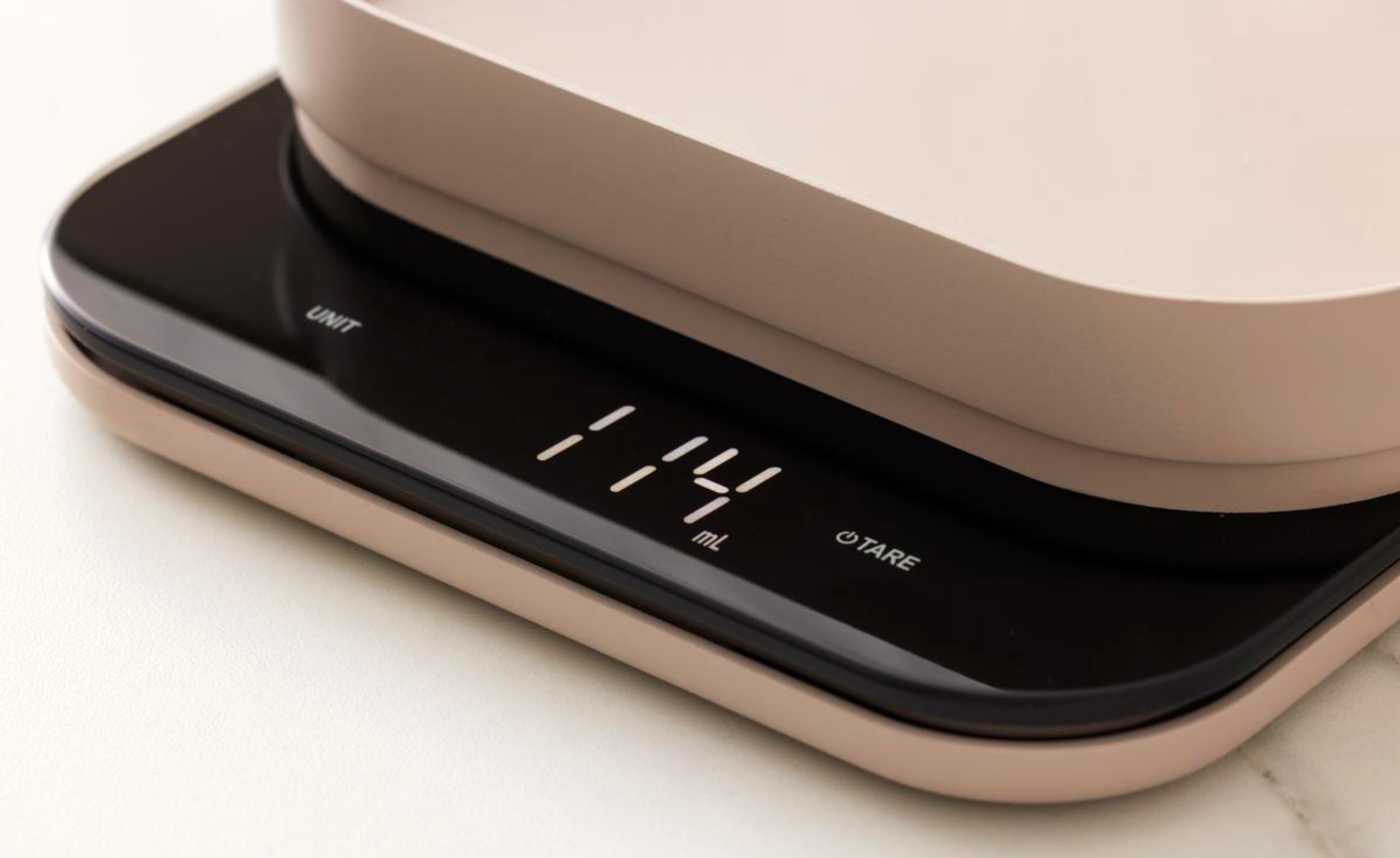
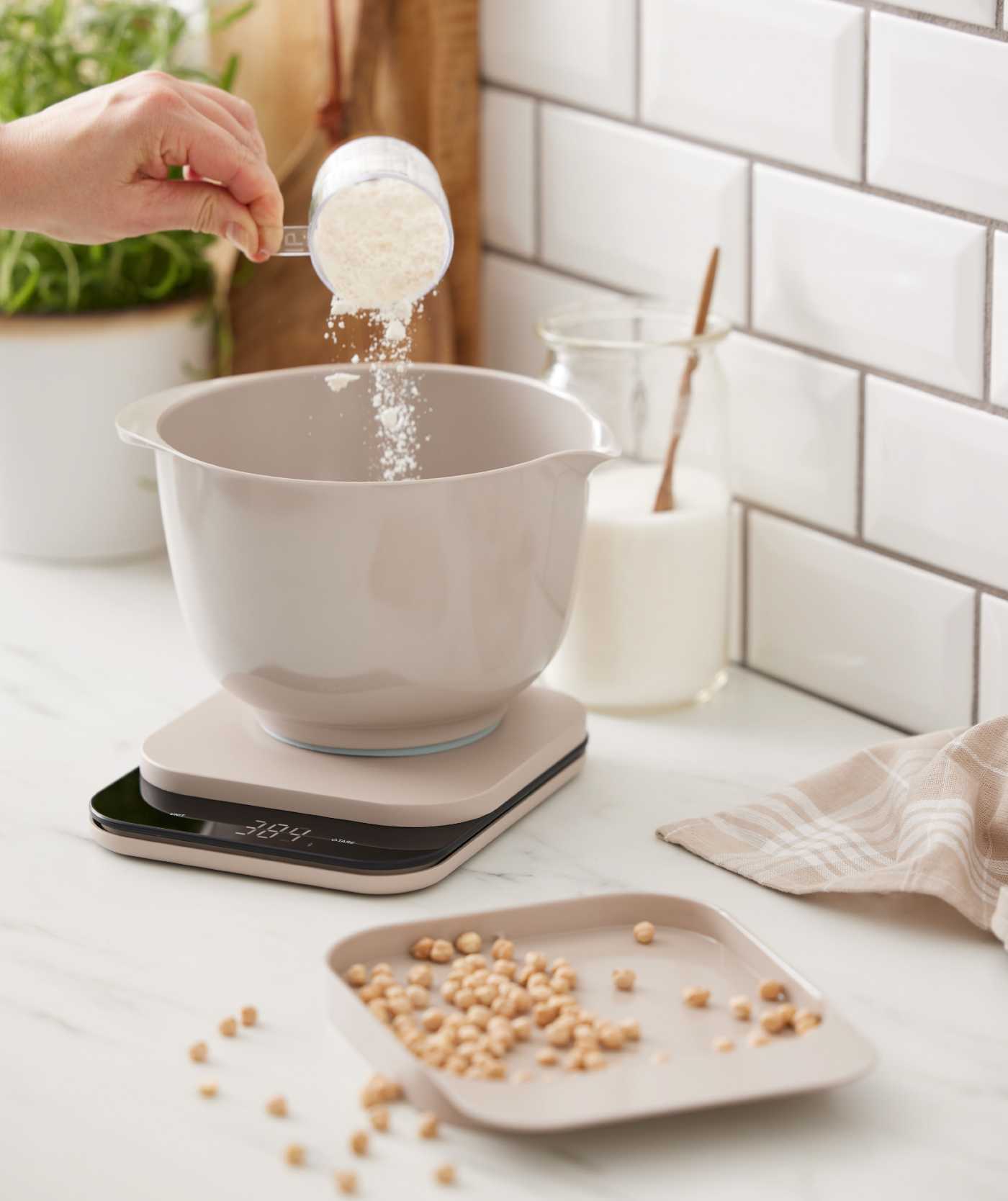
If you’re not feeling up to diving into a sea of kitchen scale research, I’ve got just the thing for you! The Rosti Mensura digital kitchen scale is a fantastic tool for accurately and quickly measuring ingredients, whether you’re whipping up a delicious meal or baking a tasty treat. It comes packed with amazing features that I think you’ll really enjoy. Take a look!
Tips for Using a Kitchen Scale Effectively
Using a kitchen scale effectively involves more than just placing ingredients on the scale; it also requires proper technique. One essential tip is to use the tare function. This feature allows you to reset the scale to zero after placing a container or bowl, ensuring that you only measure the weight of the ingredients. This is particularly useful when measuring multiple ingredients in one bowl, as you can tare the scale between additions of each ingredient.
Always use a clean, dry container for measuring ingredients. Moisture or residue from previous ingredients can affect the accuracy of the weight. Additionally, place the scale on a flat, stable surface to ensure accurate readings. Avoid using the scale on uneven or soft surfaces, as this can result in inaccurate measurements.
When measuring ingredients, add them slowly and carefully. This helps you avoid overshooting the required weight. If you do add too much, depending on the ingredient, you can easily remove some until you reach the desired amount. For liquids, pour slowly to prevent spills and ensure precise measurements. By keeping these tips in mind, you'll be able to use your kitchen scale like a pro!
Baking Recipes That Benefit from Scale Measurements
When it comes to baking, using a kitchen scale can really take your recipes to the next level! For example, making macarons is all about getting the right balance of almond flour, powdered sugar, and egg whites. A scale helps you measure these ingredients perfectly, which means you'll end up with those delightful little treats that have the perfect texture and those adorable "feet."
Bread baking is another area where precision matters. The measurements for flour, water, yeast, and salt can truly impact how your bread turns out. A scale ensures you get the dough just right, resulting in a lovely rise and a great texture.
Don't forget about pastry! When you're making something flaky like puff pastry or croissants, every ounce counts. Weighing your ingredients like dough and butter helps you achieve those beautiful layers and mouthwatering flakiness.
Cakes and cookies can also see a big improvement with scale measurements. By weighing your flour, sugar, and leavening agents, you set yourself up for success with cakes that rise perfectly and have that just-right crumb. For cookies, consistent measurements mean each one comes out the same size and texture, giving you evenly baked batches every time.
So, if you want to bake like a pro and impress your friends and family, grab a kitchen scale and give it a go!
Conclusion: Elevate Your Baking Game with Precision
When it comes to baking, precision is the key to success. A kitchen scale is an essential tool that brings accuracy, consistency, and simplicity to your baking endeavors. By measuring ingredients by weight, you eliminate the variability associated with volume measurements, resulting in more reliable and predictable results. It's like having a secret ingredient that helps you recreate your favorite recipes with ease so that you can enjoy bakery-quality treats at home!
Using a kitchen scale not only ensures your measurements are spot-on, but it also makes baking a lot simpler and more enjoyable. With just one handy tool, you can mix everything in one or two bowls, which means less mess to clean up and more time to enjoy the process. This way, you can focus on getting creative and bringing your baking ideas to life without the stress of a big clean-up.
So, whether you're just starting out or you're already a baking pro, consider diving into your baking adventures with a kitchen scale. It'll help you achieve those consistent, high-quality results you've been dreaming of. From light and airy macarons to hearty loaves of bread, you'll find that weighing your ingredients makes all the difference. Get ready to elevate your baking game and discover the pure joy of whipping up perfect goodies every single time!